Rail infrastructure monitoring
Monitor and protect overhead line equipment with Synaptec to reduce costly outages.
Synpatec technology is ideally suited to monitoring and detecting many key factors that result in Overhead Line Equipment (OLE) failure in the rail industry. From sudden changes in tension to contact wire degradation, it can prevent major and costly outages.
Get in touch

Tanel Laasma
Solution Specialist- Europe
Challenges in rail infrastructure monitoring
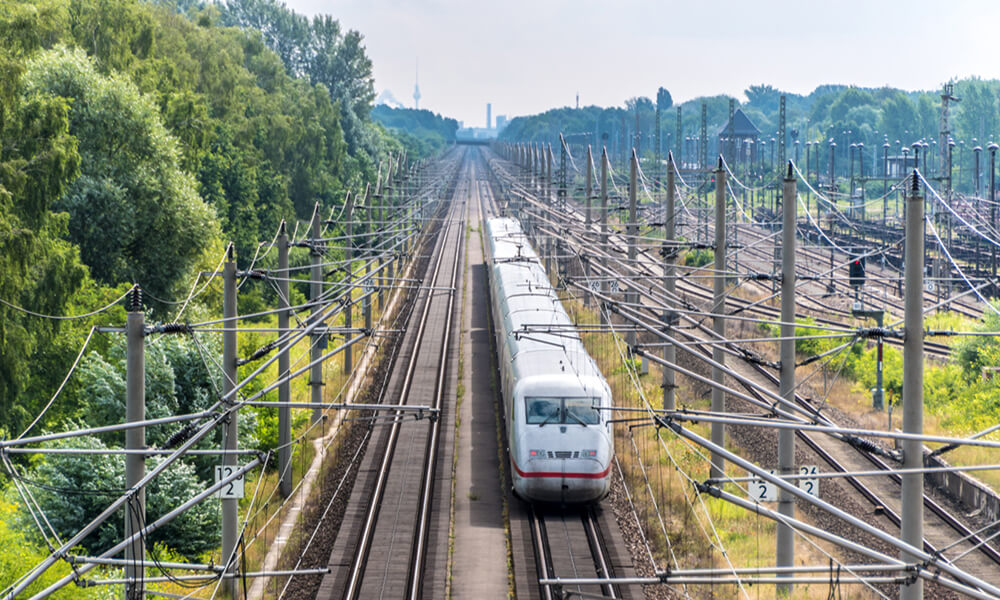
OLE and rail monitoring is particularly important in bottleneck locations such as major station junctions. Failures in this critical infrastructure can be caused by multiple events that Synaptec technology is ideally suited to monitor for and detect: contact wire degradation, electrical transients, overheating, pantograph strike or uplift, sudden changes in tension or loss of weights, cable fraying, dropper failure, and excessive rail temperatures. Any of these events can cause severe delays, financial losses, and reputation cost.
Our solution
Our unique passive sensor technology is ideally suited to automate infrastructure inspections and provide earlier warning, characterisation, and location of failures. We synchronously and permanently monitor any number of electrical and mechanical parameters including voltage, current, tension, strain, vibration and temperature. These can be measured reliably and accurately in any location, and always passively – free from power suppliers, batteries, cellular networks and any maintenance or recalibration for decades-long reliability, optimised scheduled maintenance, and safely increased capacity.
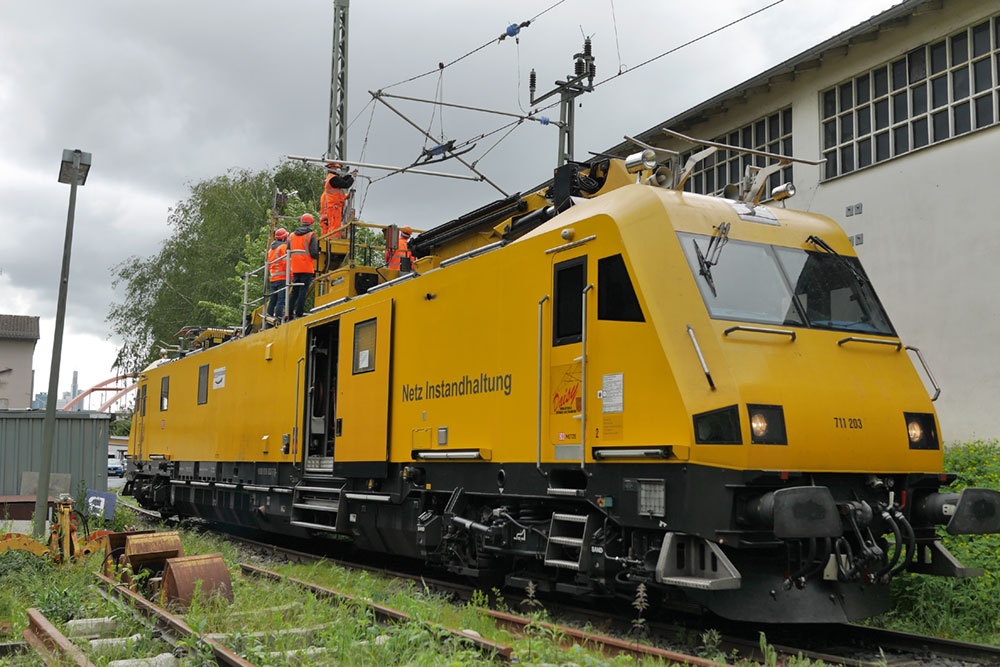
Download Condition Monitoring for Railways flyer
Related posts
mDES Interrogator
The multi-channel Distributed Electrical Sensing (mDES) Interrogator is designed for periodic monitoring of large numbers of electrical sensors with unprecedented efficiency.

Digitalising protection and condition monitoring in substations
Our passive sensors require no data networks, no control power, or expensive civil works. This scalable and passive instrumentation technology is ideal for digital substations because it radically reduces equipment footprint, cost and safety risk at the bay...
Differential protection for complex feeders
Our passive sensors require no data networks, control power, or expensive civil works, and provide live data more reliably and securely from more remote and inaccessible locations. This multi-point instrumentation technology enables line differential protection for...
Sectors we support

Power Grids
Renewables